
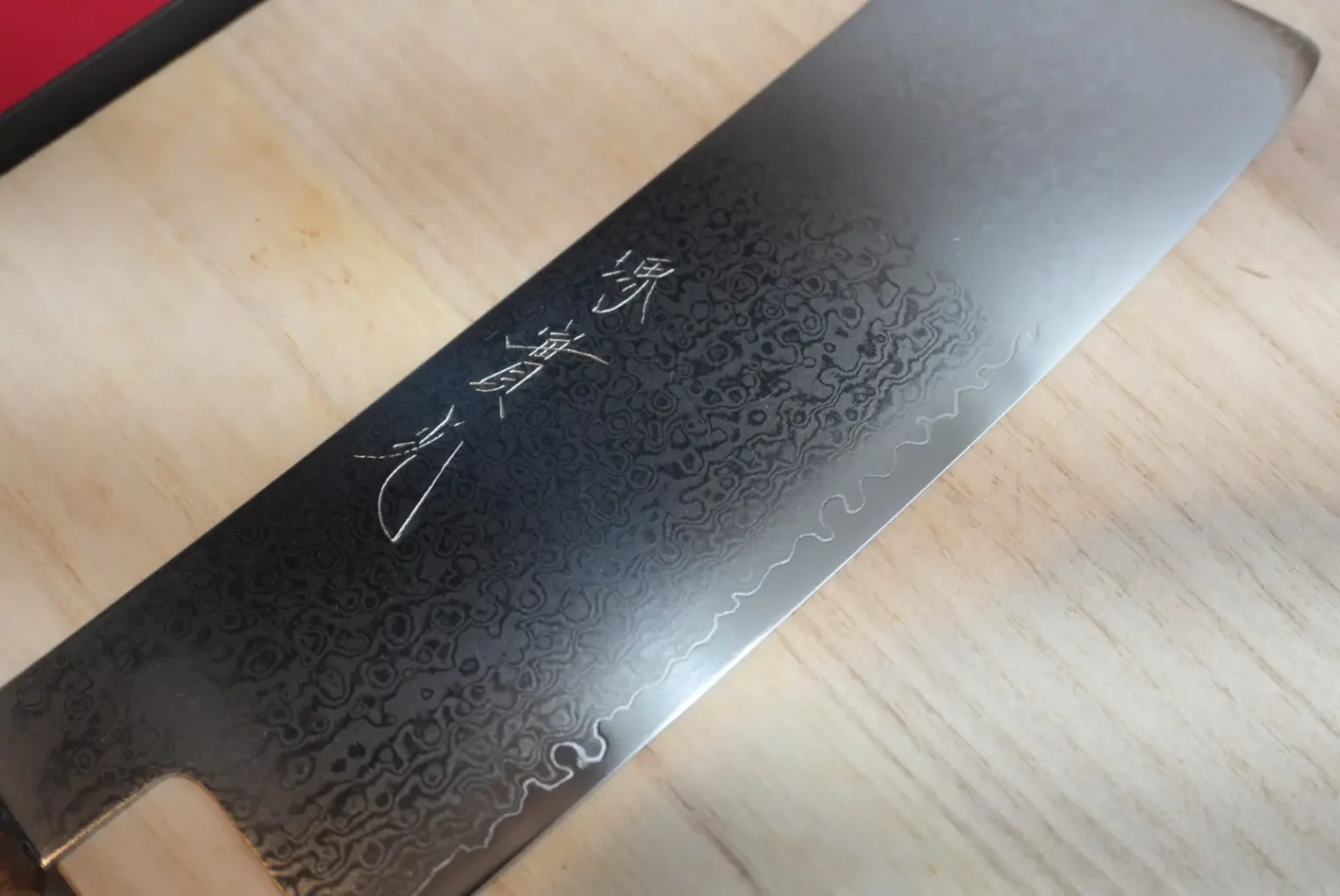
The blade is real.
So is the review.
Hand-forged Japanese knives, bought at the counter in Tokyo and tested through months of daily prep — photographed exactly as they are.
Bought, never borrowed
We pay for every knife we review. Nothing goes back to a PR shelf.
Made-in-Japan blades only
Sakai, Seki, Tsubame-Sanjo — we name the workshop, the steel, the grind.
Prices verified, not guessed
We check US stockists by hand — and tell you when Amazon isn’t the best deal.
Start with the knife you need
ALL GUIDES →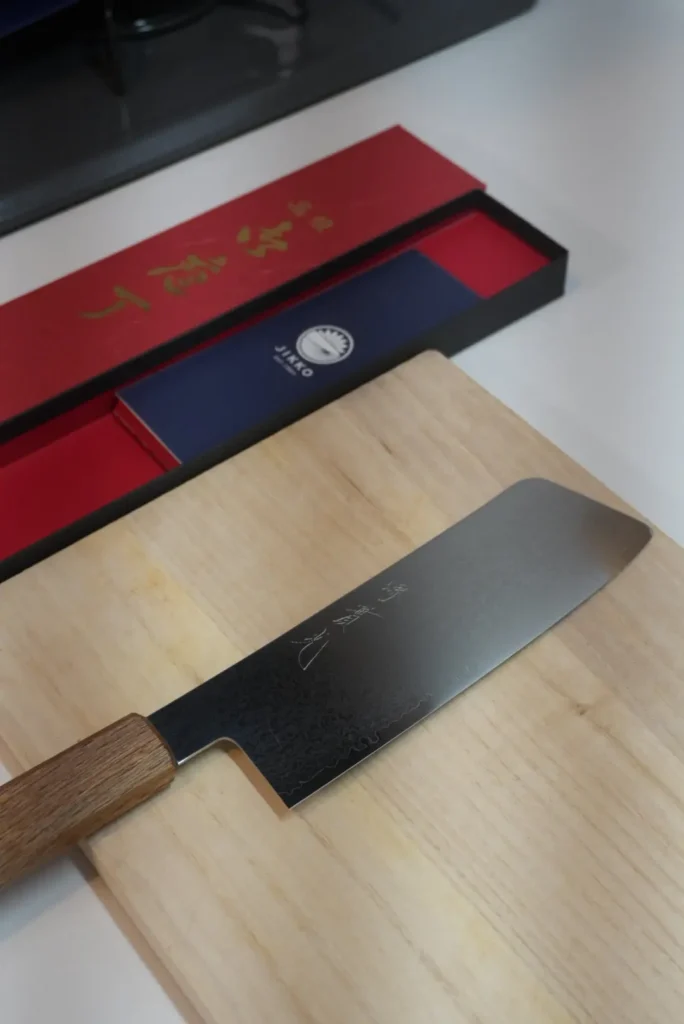 BUYING GUIDE
Best Nakiri Knives 2026: the Japanese vegetable knife, explained
What a nakiri is, how to use it, and the five blades worth your money — from a $99 Tojiro to Sakai-forged Damascus.
 BUYING GUIDE
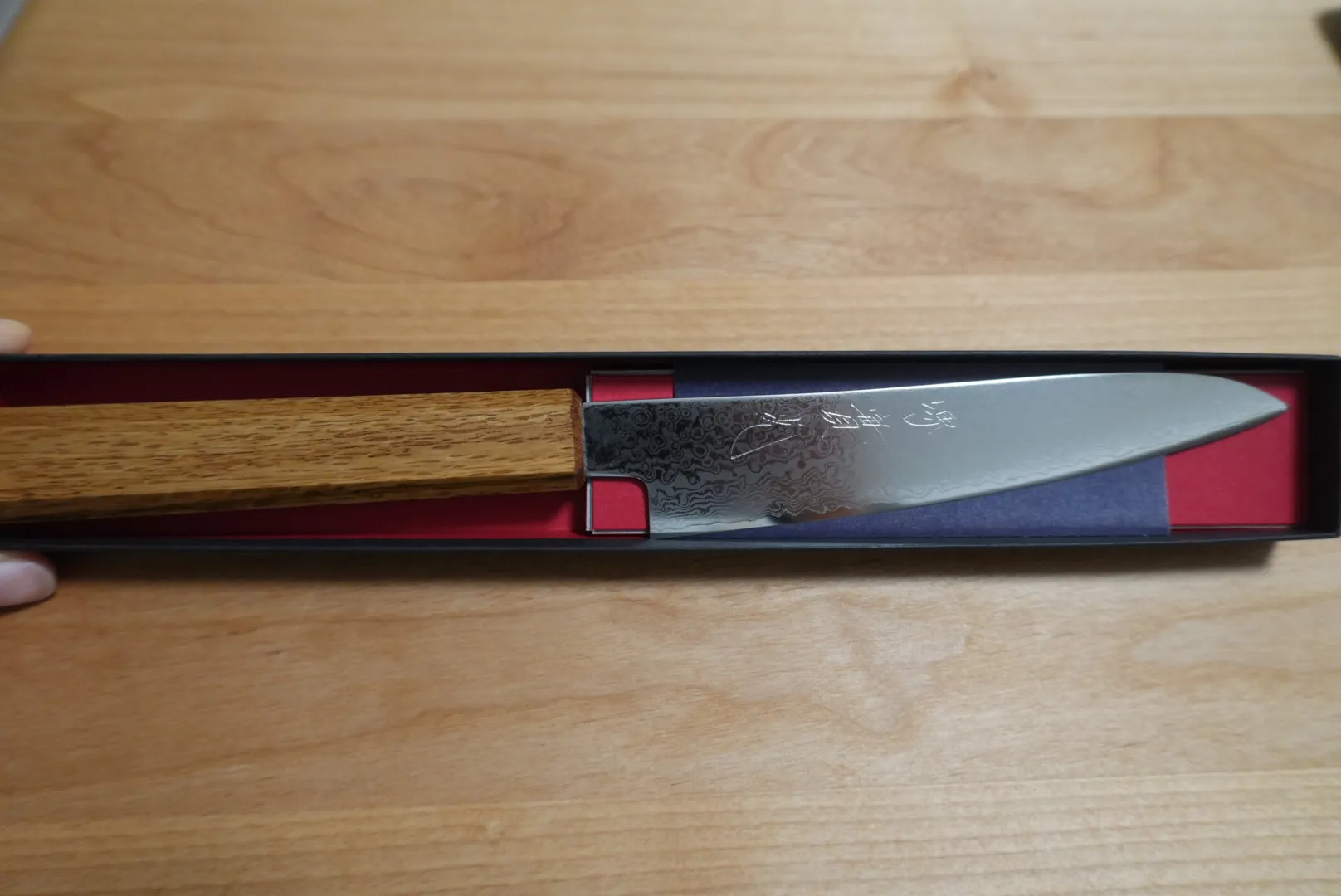
Japanese Petty Knife Guide: small blade, most-used knife
Why a 150mm petty ends up in your hand more than any other knife — and the three we actually recommend.
 HANDS-ON REVIEW
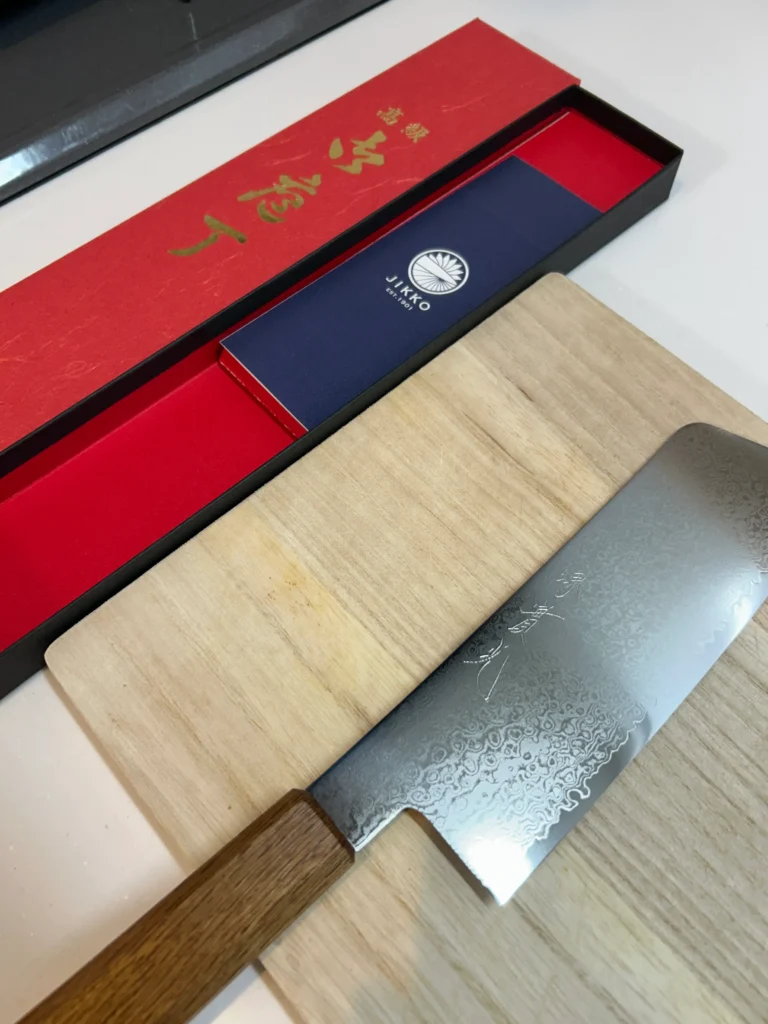
JIKKO Knives Review: a 120-year-old Sakai workshop, tested daily
We walked into the Kappabashi store, paid full price, and have cooked with it every day since. Is it worth it?
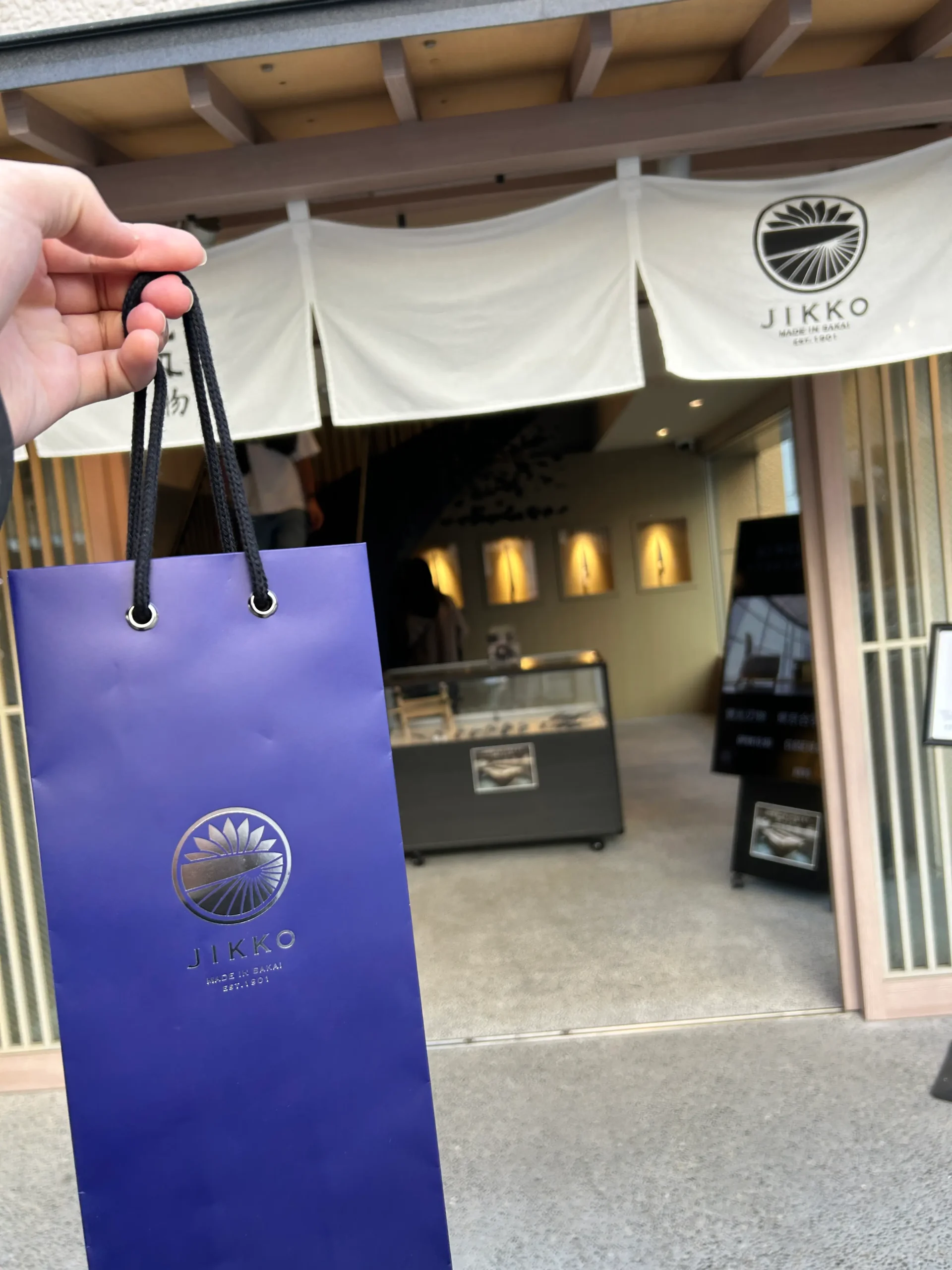

From Kappabashi to your kitchen
Tsuru Knife is written from Tokyo. We visit the shops, talk to the makers, and buy the knives we cover — then tell you exactly where to get them in North America, at the price we verified.
ABOUT TSURU KNIFE